
Plant & process design
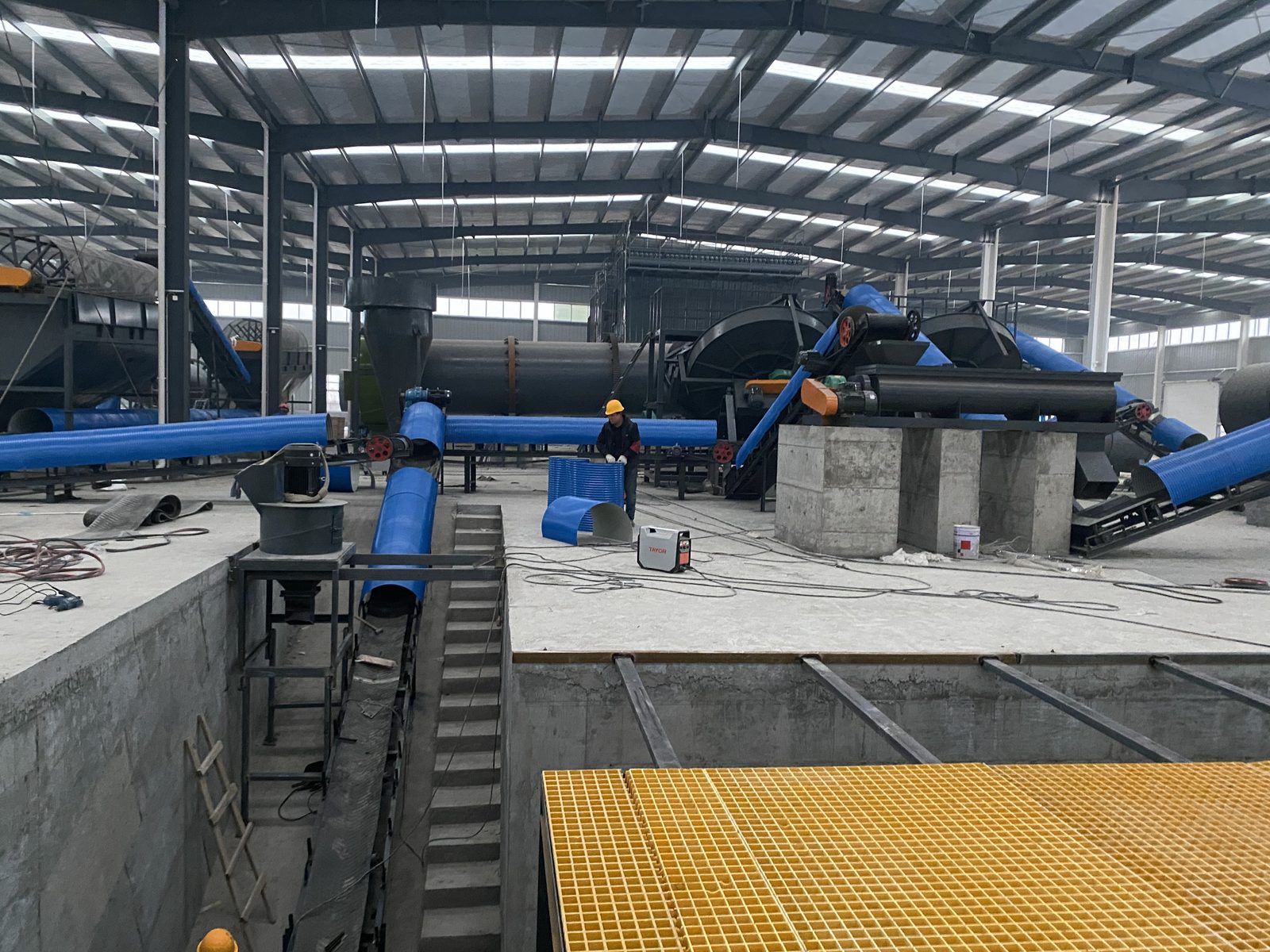
Design basis, mass and moisture balance, capacity sizing, equipment selection and general arrangement drawings.
Read more →
Design basis, mass and moisture balance, capacity sizing, equipment selection and general arrangement drawings.
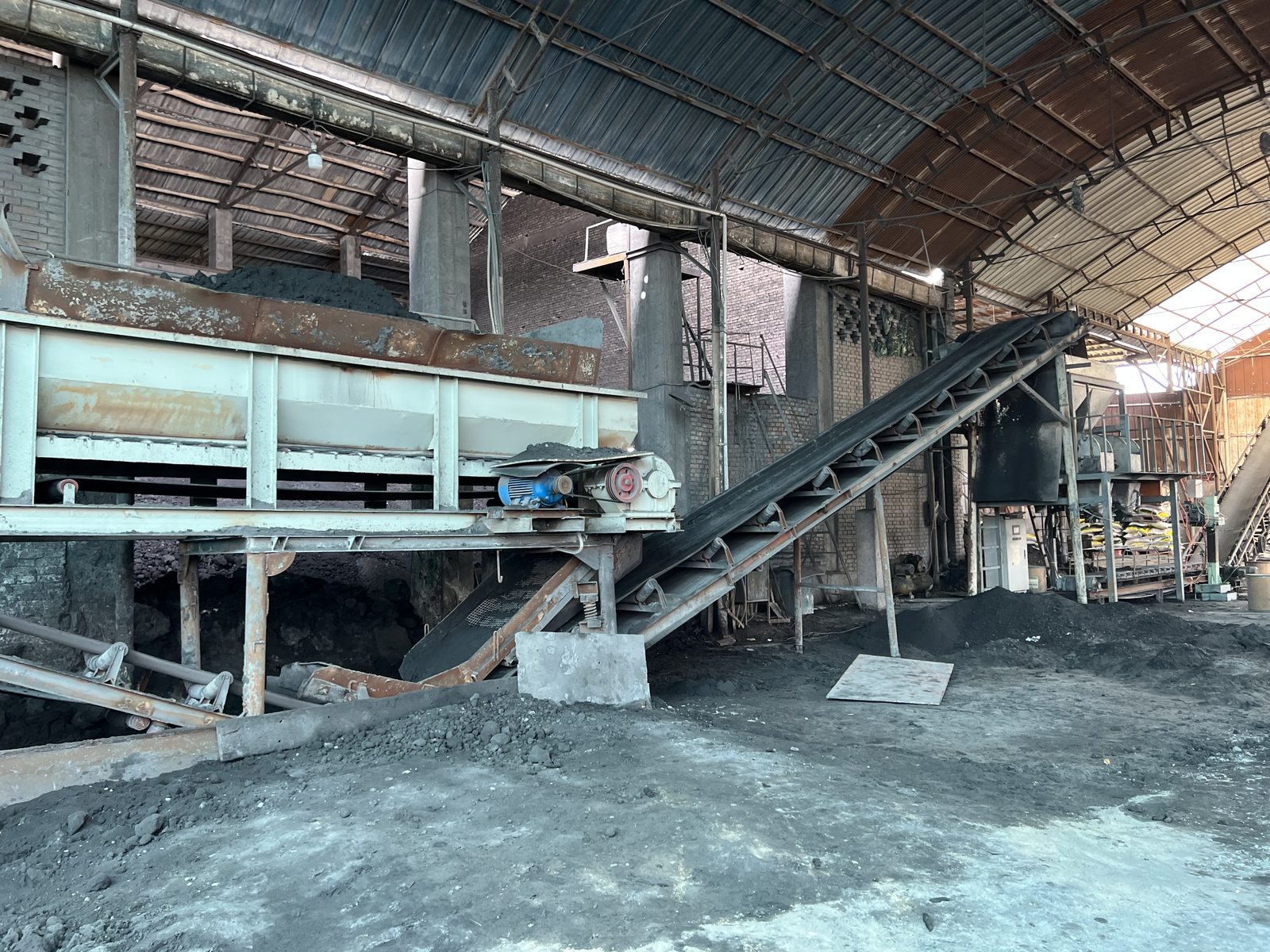
Read more →Fermentation systems, grinding, granulation, drying, cooling, screening, coating and bagging — engineered to your feedstock.
Read more →Erection supervision, cold and hot commissioning, trial batches, operator training, maintenance and retrofit support.
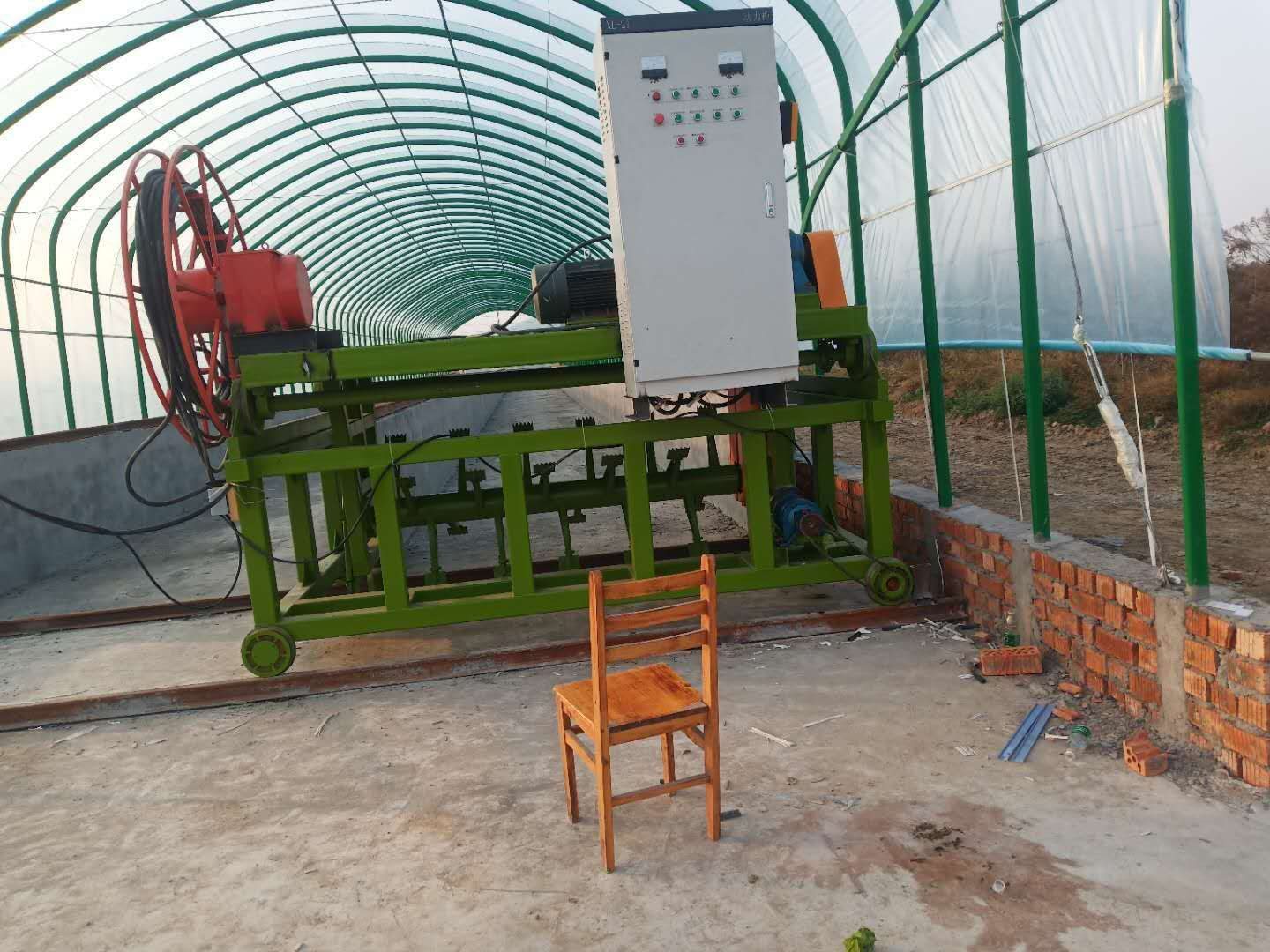
Read more →Farm and cooperative scale: covered windrow or groove fermentation, powder line, semi-automatic bagging.
Open →Commercial scale with granulation and drying, automatic bagging and dedicated quality control.
Open →Industrial scale with parallel lines, bay or in-vessel fermentation and an on-site laboratory.
Open →Relocatable modules for urban sites, islands and remote operations where civil works are the bottleneck.
Open →| System | Residence | Footprint | Best fit | Main constraint |
|---|---|---|---|---|
| Windrow (open, turned) | 25–35 days | Large — long turning lanes | Dry, fibrous manure with adequate land | Odour and leachate control; weather |
| Groove / trench with turner | 18–25 days | Compact, linear bays | Space-limited sites with steady feedstock | Civil works for bay walls and drainage |
| Aerated static pile | 14–21 days | Medium, tall piles | Lower labour without full enclosure | Even air distribution; pipe and blower design |
| In-vessel (tank / tunnel) | 7–12 days | Small — stacked vessel volume | Urban, odour-sensitive and cold-climate sites | Capital cost and loading discipline |
Residence ranges are engineering planning values for a well-managed thermophilic process; the design value for a specific plant follows the feedstock and climate.
Feedstock type and tonnes per day, moisture and contamination, target product, site area and power supply.
Fresh tonnes in, losses, finished tonnes per hour out — then the composting, drying and granulation routes that follow.
General arrangement and 3D drawings, fabrication in our Xingyang works, container loading and erection supervision.
Cold and hot commissioning, trial batches, operator training and the handover documentation package.
Feedstock type, tonnes per day, target product and site area. You will get back a plant configuration, an equipment scope and the information we still need.
This site is about plant engineering: the design basis, how the process is balanced, how the layout and utilities are planned, how the plant is commissioned and how it is operated. Machine specifications and prices are quoted per project from the design basis.
Start from the feedstock you can collect every week, not from the capacity you would like to sell. If a farm or a collection network can deliver 40 t/day of fresh manure, that supports roughly 8–14 t/day of finished powder depending on moisture and losses.
Indicative durations for a medium plant: design and layout 3–6 weeks once the design basis is agreed; fabrication 60–100 days; shipping 3–6 weeks; erection and commissioning 4–8 weeks on site. Civil works run in parallel and usually control the schedule.
We design the plant layout, foundation and utility interface drawings, and we supervise erection. Civil construction and buildings are normally executed by a local contractor to our drawings.
Tell us the feedstock, the daily tonnage and the product you want to sell. The engineering team replies with the plant configuration, the equipment scope and the information we still need before layout drawings start.
Prefer to talk first? WhatsApp +86 182 0399 3035 or email [email protected].
Two or three details are enough to start — the engineering team will come back with the configuration and the missing design basis.